Team

Members

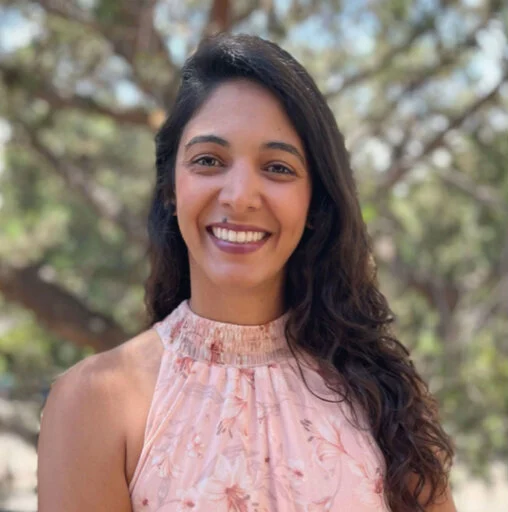
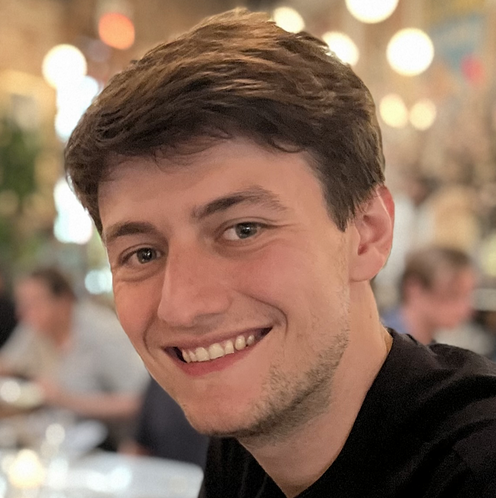
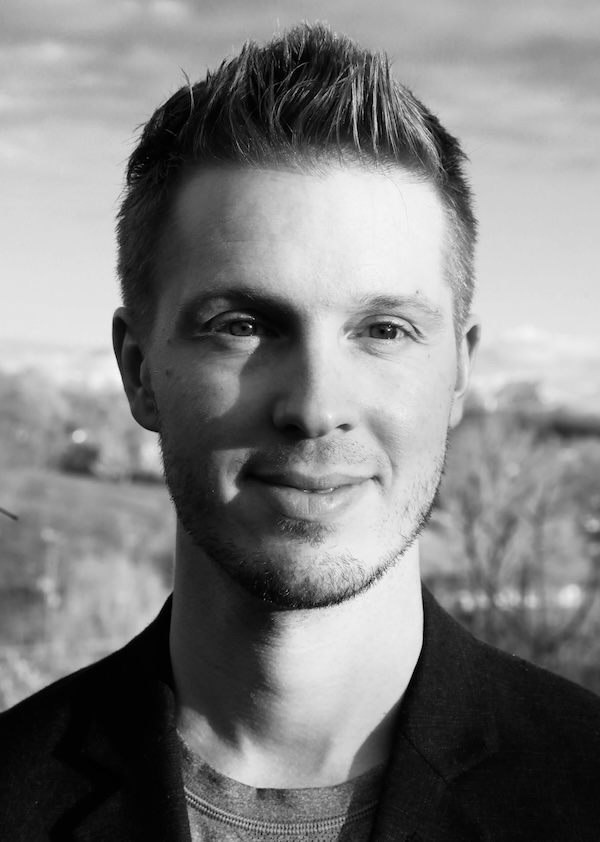
Dr. Louis-Félix Nothias
Louis-Félix Nothias, PhD
Junior Group Leader / Professor Chair (CNRS Chemistry)
Affiliated Chair of 3iA Côte d'Azur
Dr. Louis-Félix Nothias is a CNRS junior group leader based at the University Côte d’Azur & the Interdisciplinary Institute for Artificial Intelligence (3iA) Côte d’Azur, France. In 2023, he founded the Holobiomics Lab, which develops experimental and computational methods for studying host/microbial metabolism in holobionts and their microbiomes. The lab is pioneering advanced mass spectrometry-based metabolomics techniques in multi-omics studies using artificial intelligence. Prior to this, Dr. Nothias was a postdoctoral researcher at the University of California San Diego with Prof. Pieter Dorrestein (2016-2021), where he contributed to the GNPS ecosystem GNPS ecosystem, and a research associate at the University of Geneva with Prof. Jean-Luc Wolfender (2021-2023). He has contributed to both experimental and computational methods for MS-based metabolomics annotation (collaboration with the SIRIUS team/Boecker lab, see CASMI 2022) and has pioneered integrative multi-omics studies for studying microbiota metabolites in ecosystems, including through the collaborative Earth Microbiome Project.

© Photo: Rita Scaglia
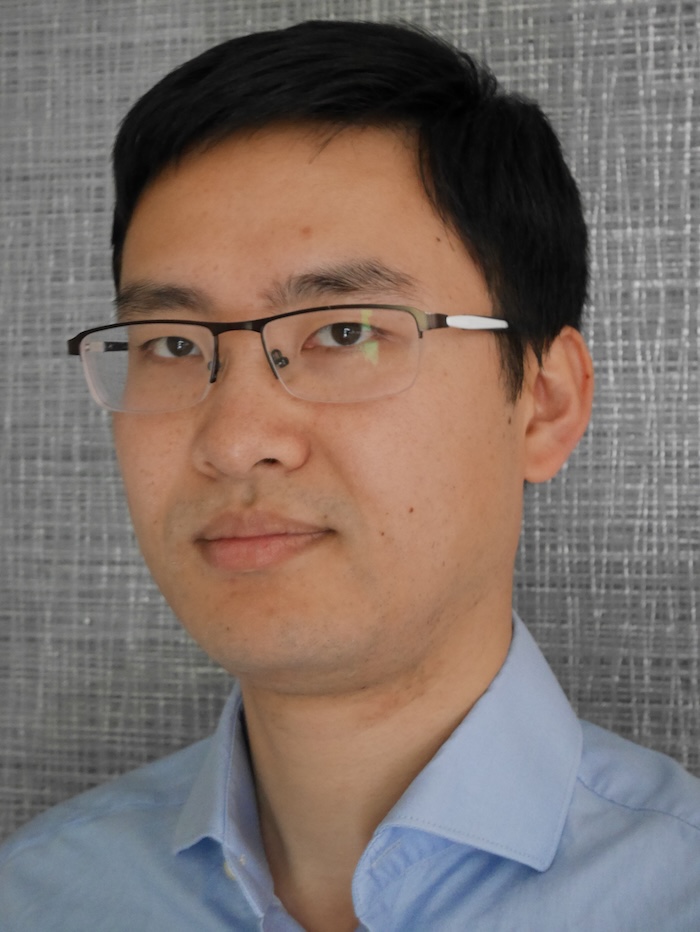
Dr. Tao Jiang
Tao Jiang, PhD
Research scientist (CNRS Chemistry)
Dr. Tao Jiang is a passionated computational chemist and CNRS engineer with extensive expertise in applying machine learning to chemical research. He earned his Ph.D. in Computational Chemistry, followed by several postdoctoral positions, before joining the Centre National de la Recherche Scientifique (CNRS) as an Ingénieur d'Études (IE) in 2017. His initial role was at the Chemistry Laboratory of École Normale Supérieure de Lyon, where he has been actively involved in projects leveraging machine learning for chemical applications. His work took an international turn during his assignment at the CNRS-Syensqo Joint Lab, the Eco-Efficient Products and Processes Laboratory (E2P2L) in Shanghai. There, he focused on the machine learning-driven development of biodegradation processes for specialty polymers. In September 2024, Dr. Jiang joined the Holobiomic Lab at the University Côte d'Azur, where he supports the lab’s research initiatives. He is currently engaged in multiple projects, including ScienceXGuide and the application of machine learning to mass spectrometry data. His work continues to advance the integration of computational tools and artificial intelligence in chemical and biochemical research.

© Image credit Tao Jiang

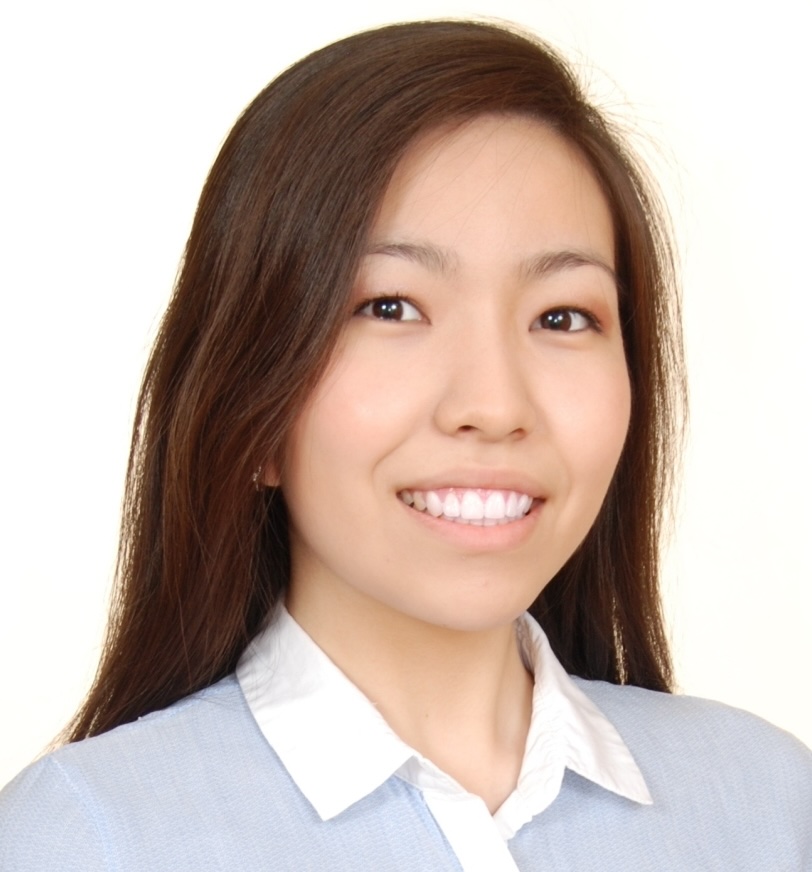
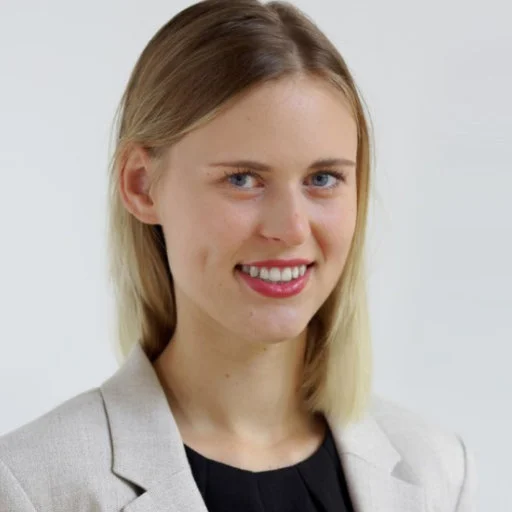
Madina Bekbergenova
Madina Bekbergenova
PhD researcher (Univ. Côte d'Azur & 3iA)
Madina Bekbergenova has Master in Applied Mathematics: Stochastic Modelling in Neuroscience, Erasmus Mundus InterMaths program (University of L'Aquila, University of Hamburg, University of Côte d'Azur). She is currently undertaking a joint international PhD program in Chemistry and Computer Science at the University of Côte d'Azur and University of Antwerp, under the supervsion of Dr. Nothias and Dr. Wout Bittremieux, and supported by Interdisciplinary Institute for Artificial Intelligence (3iA) Côte d'Azur. Her research focuses on artificial intelligence for mass spectrometry, including the development of agentic framework for mass spectrometry interpretation and the use reinforcement learning techniques to optimize data acquisition processes in mass spectrometry.

© Image credit Madina Bekbergenova

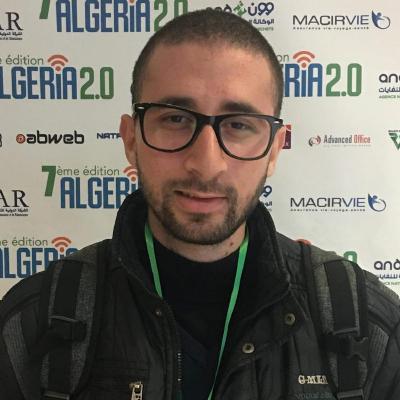
Dr. Yousouf Taghzouti
Yousouf Taghzouti, PhD
Postdoctoral researcher (Univ. Côte d'Azur)
Yousouf Tagzhouti has a PhD degree in Computer Science (École des Mines, Saint-Etienne, FR) and has strong expertise in semantic web technologies. He has joined the HolobiomicsLab and the Wimmics team at the INRIA Sophia-Antipolis. since November 2024, with funding from the UniCA JEDI Initiative d'Excellence (IdEx) UniCA JEDI Initiative d'Excellence (IdEx) of the Université Côte d'Azur. He contributes to the development of an AI-framework for knowledge graph for omics research.

© Image credit Yousouf Taghzouti

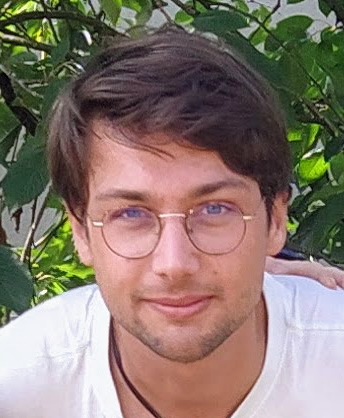
Matthieu Ferraud
Matthieu Ferraud
AI research engineer (CNRS)
Matthieu Ferraud is an AI research engineer at CNRS, specialized in Artificial Intelligence and graduated from Polytech Sophia-Antipolis, France, with academic and professional background in artificial neural networks and semantic knowledge integration and development in the fields of biology and chemistry. He has joined the HolobiomicsLab since October 2024, supported by funding from the Université Côte d'Azur JEDI Initiative d'Excellence (IdEx). His work focuses on the development of methods at the intersection between metabolomics, knowledge graphs and artificial intelligence, contributing to the integration and analysis of metabolomics data for biological research. He is actively involved in the MetaboLinkAI project, developing multi-omics applications for marine holobiont research in collaboration with Eric Rottinger (IRCAN).

© Image credit Matthieu Ferraud

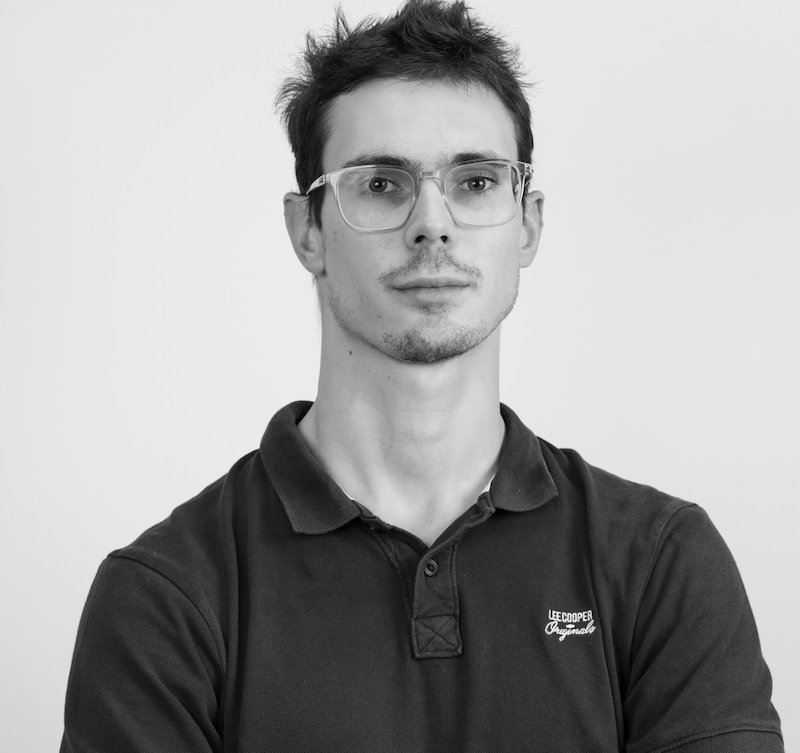
Martin Legrand
Martin Legrand
AI research engineer (HolobiomicsLab CNRS)
Martin Legrand is a Machine Learning Engineer and AI researcher with expertise in multi-agent systems, Natural Language Processing, and audio recognition. He holds a Master of Computer Science from Epitech with specialization in AI, complemented by international experience at Feng Chia University in Taiwan. Currently an AI research engineer at HolobiomicsLab CNRS, his research focuses on autonomous AI systems and multi-agent frameworks for scientific discovery. He is dedicated to advancing next-generation tools that bridge artificial intelligence and metabolomics research, with notable open-source contributions including agenticSeek. Martin's work aims to push the boundaries of how AI can accelerate and automate complex scientific processes. He is actively contributing to the MetaboLinkAI project, developing innovative AI-driven solutions for metabolomics research.

© Image credit Martin Legrand

Dr. Thaiz Rodrigues Teixeira
Thaiz Rodrigues Teixeira, PhD
Postdoctoral Fellow (HolobiomicsLab, UniCA IdEx Excellence fellowship)
Since October 2025, Thaiz has been a Postdoctoral Fellow in HolobiomicsLab at the Institut de Chimie de Nice, under an IdEx Excellence fellowship of the Université Côte d'Azur. Within the RAPID-NP framework, she develops innovative purification strategies to accelerate the discovery of antimicrobial peptides encoded by marine biosynthetic gene clusters — in collaboration with Vincent Libis (INSERM / ELiS Lab, Paris, https://www.elis-labs.org/libis/) — tackling urgent challenges in antimicrobial resistance with sustainable use of marine biodiversity.

Thaiz Rodrigues Teixeira completed her PhD in Pharmaceutical Sciences (2016–2022) at the University of São Paulo (FCFRP-USP), with a sandwich period at the Scripps Institution of Oceanography / University of California San Diego under the joint supervision of Dr. Hosana Debonsi and Prof. William H. Gerwick. She then conducted postdoctoral research at UC San Diego under Prof. Conor Caffrey, focusing on metabolomics and high-throughput screening of natural and synthetic compounds against neglected tropical disease parasites.

Thaiz brings her expertise in mass spectrometry, NMR spectroscopy, molecular biology, and microbial cultivation. Her publication record includes advances in natural product discovery, antiparasitic drug leads, and computational metabolomics. She is passionate about bridging synthetic biology, analytical chemistry, and sustainable drug discovery.

© Image credit Thaiz Rodrigues Teixeira

Benjamin Navet
Benjamin Navet
Research engineer and doctoral researcher (MetaboLinkAI project)
Benjamin Navet joined the HolobiomicsLab in July 2025 after being recruited for the Associated Researcher (CNRS) position within the MetaboLinkAI project. He is a research engineer and doctoral researcher working on knowledge graph-based memory for LLM-based scientific assistants. His PhD, supervised by Fabien Gandon and Louis-Félix Nothias, explores a neuro-symbolic architecture integrating large language models and knowledge graphs as external memory, validated within the MetaboLinkAI platform using metabolomics data.

Before joining the lab, Benjamin worked as a data scientist engineer in the 3IA Techpool on automation and machine learning projects, including NLP applications, action detection in videos, and software leveraging LLMs to query biological graph databases. He holds a Master's degree in Computer Science with a specialization in software engineering from Université de Rennes 1.

© Placeholder image HolobiomicsLab

Dr. Aleksandra Izdebska
Aleksandra Izdebska, PhD
Postdoctoral researcher (ANR POPS project)
Aleksandra Izdebska is a postdoctoral researcher at HolobiomicsLab since October 2025, contributing to the ANR POPS "DeciPhering the rOle of PolyamineS in Bacterial Virulence" project (ANR-24-CE44-1190). She obtained her PhD in Analytical Chemistry from Université Pau et des Pays de l'Adour (IPREM), where she developed an online 2D reverse-phase HPLC method hyphenated with ICP-MS and high-resolution ESI-MS to detect elusive arsenic species — including As(III)–phytochelatins, arseno-thiols, and arsenolipids — in plant matrices.

The POPS project investigates how polyamines modulate bacterial virulence in Pseudomonas aeruginosa and Staphylococcus aureus 🦠. By combining controlled modifications of polyamine biosynthetic pathways with integrated omics approaches, the project aims to uncover the molecular mechanisms driving pathogenicity. Within WP3 of POPS, Aleksandra designs and implements semi-automated extraction and pre-enrichment workflows, optimizes multi-mode LC separations, and leads deep iterative LC–MS/MS (MSⁿ) acquisitions on an Orbitrap IQ-X. Her work focuses on comprehensive metabolite profiling and confident annotation in bacterial pathogens, particularly in relation to polyamine response, using advanced experimental and computational metabolomics from multi-modal analysis collected with state-of-art equipment.

© Image credit Aleksandra Izdebska

Dina Boukhajou
Dina Boukhajou
Assistant engineer (master intern, February-August 2026)
Dina Boukhajou is a final-year Bioinformatics student at Polytech Nice Sophia and joined the HolobiomicsLab from February 2026 to August 2026 as a master's intern through the dual master's program of IdEx Academy 1 at Université Côte d'Azur. In close collaboration with Matthieu Ferraud and Eric Rottinger (IRCAN, UniCA), she works on AI methods for integrating transcriptomics and metabolomics with knowledge graphs in a marine holobiont model based on sea anemones.

Before joining the lab, Dina completed a four-month internship at the Karolinska Institute, where she developed an internal R package to facilitate translational efficiency analyses, and a two-month internship at IRCAN in Nice. She brings strong training in bioinformatics and programming, with experience in Python, R, Java, SQL, HTML, CSS, PHP, and Matlab.

© Placeholder image HolobiomicsLab

Deniz Ertuğrul
Deniz Ertuğrul
Assistant engineer (master 2 intern, February-August 2026)
Deniz Ertuğrul is a Master's student in Bioinformatics at the University of Bologna and joined the HolobiomicsLab from February 2026 to August 2026 as an assistant engineer master 2 intern. He works on next-generation epigenetics data analysis pipelines assisted by artificial intelligence for clinical data.

Before joining the lab, Deniz completed research internships in computational biology at Bogazici University and Sabanci University, where he developed experience in virtual screening, molecular dynamics, structural bioinformatics, and machine learning for mutation pathogenicity prediction. He combines strong bioinformatics and programming skills, including Python, PyTorch, scikit-learn, Biopython, SQL, Linux, and Bash.

© Placeholder image HolobiomicsLab

Team

Join Us !

News Image

Our Team is Hiring at All Levels!

Interested in our research or eager to join our team? We encourage you to read about our research and diversity statement and vision below before applying:

  • Postdoc, PhD, and staff positions are regularly available and announced on this page. Highly motivated candidates are encouraged to send inquiries via email.
  • We welcome applications throughout the year from:

Team

Past Opportunities (2025)

Description of image
Past Opportunity | 2025
Associated Researcher (CNRS)
Join our team as a Research Engineer (M/F) to design and develop an innovative AI research assistant for metabolomics. Over a 48-month, you will harness advanced language models, multi-agent systems, and knowledge graphs to create a state-of-the-art tool for exploring and analyzing metabolomic data.

In addition to technical development, you will contribute to project-wide operations, ensuring seamless collaboration among international partners and overseeing collective code repositories. This role is part of the Franco-Swiss MetaboLinkAI consortium (ANR-24-CE93-0012-01), in close cooperation with leading research teams in France and Switzerland. We are looking for candidates with strong expertise in Python, AI-driven development, and project management, combined with a passion for interdisciplinary scientific research.

© Image credit CNRS

Description of image
Past Opportunity | 2025
Postdoctoral Researcher (CNRS)
We are looking for a skilled postdoctoral researcher with a strong background in liquid chromatography & mass spectrometry method development. This is a two-year postdoc position in the frame of the ANR POPS "DeciPhering the rOle of PolyamineS in Bacterial Virulence" project (ANR-24-CE44-1190) to investigats how polyamines modulate bacterial virulence in Pseudomonas aeruginosa and Staphylococcus aureus 🦠.

By combining controlled modifications of polyamine biosynthetic pathways with integrated omics approaches, we aim to uncover the molecular mechanisms driving pathogenicity. The HolobiomicsLab is developing advanced metabolomics approaches for profiling and interpreting the metabolome of Staphylococcus aureus when exposed to polyamines, studying the metabolites involved in Pseudomonas aeruginosa's virulence and its interaction with Staphylococcus aureus, using advanced experimental and computational metabolomics from multi-modal metabolomics analyses collected with state-of-the-art equipment. The expected starting date was late 2025. Candidate could contact L-F Nothias.

© Image credit CNRS

Description of image
Past Opportunity | 2025
PhD Researcher (CIFRE program)
We are looking for a very talented master student with training in chemoinformatics / bioinformatics / omics. This is an exciting three-year PhD position funded by the CIFRE program with the clinical deeptech TECHiNCARE.

The PhD projects aims at designing an AI-medical assistant that can navigate multi-omics clinical data for precision medecine. A very ambitious project with high potential thanks to the advanced molecular technics being used, and the unique clinical datasets, as well as an exceptional work environment (Valrose & Hopital Lenval - with offices facing the Mediterranean sea). The start is expected at the end of 2025. Candidate can contact L-F Nothias.

© Image credit CNRS

Description of image
Past Opportunity | 2025
PhD Researcher (CNRS)
We are looking for a talented master student with training in chemoinformatics, metabolomics, or analytical chemistry. This was a three-year PhD position funded by the CNRS.

A couple of subjects were possible depending on the selected candidate profile. The project aimed at studying marine holobionts using advanced experimental and computational metabolomics approaches collected with state-of-the-art equipment. Candidate could contact L-F Nothias.

© Image credit CNRS

Team

Alumni

Lucas Pradi
Lucas Pradi
Alumni | Former PhD researcher (Univ. Côte d'Azur, November 2023 - February 2026)
Pharmacist and Master in Chemistry from the Federal University of Santa Catarina, Brazil, with academic and professional experience in natural products, chemistry, and metabolomics. Lucas was a PhD researcher in Chemistry at Université Côte d'Azur, supported by AFR FNR Luxembourg (project 17994255). His doctoral project focused on developing an innovative LC-MS acquisition method to enhance metabolite detection and annotation by improving MS2 spectral quality and coverage. He contributed to advancing next-generation AI tools for metabolomics (MetaboT) and scientific research (Perspicacité-AI).

© Image credit Lucas Pradi

Description of image
Emma Tysinger
Research internship (Univ. Côte d'Azur / MIT France, July-August 2023)
Emma Tysinger has a BSc in Bioinformatics from the MIT and joined the lab in July 2023 with the support of the MIT-France program. Emma successfully implemented the first prototype of the KGBot agent during her July-August 2023 research stay. She is now pursuing a graduate PhD program in Bioinformatics at the MIT Computer Science and Artificial Intelligence Laboratory (CSAIL). See her Google Scholar.

© Image credit CNRS